Exchange Programs
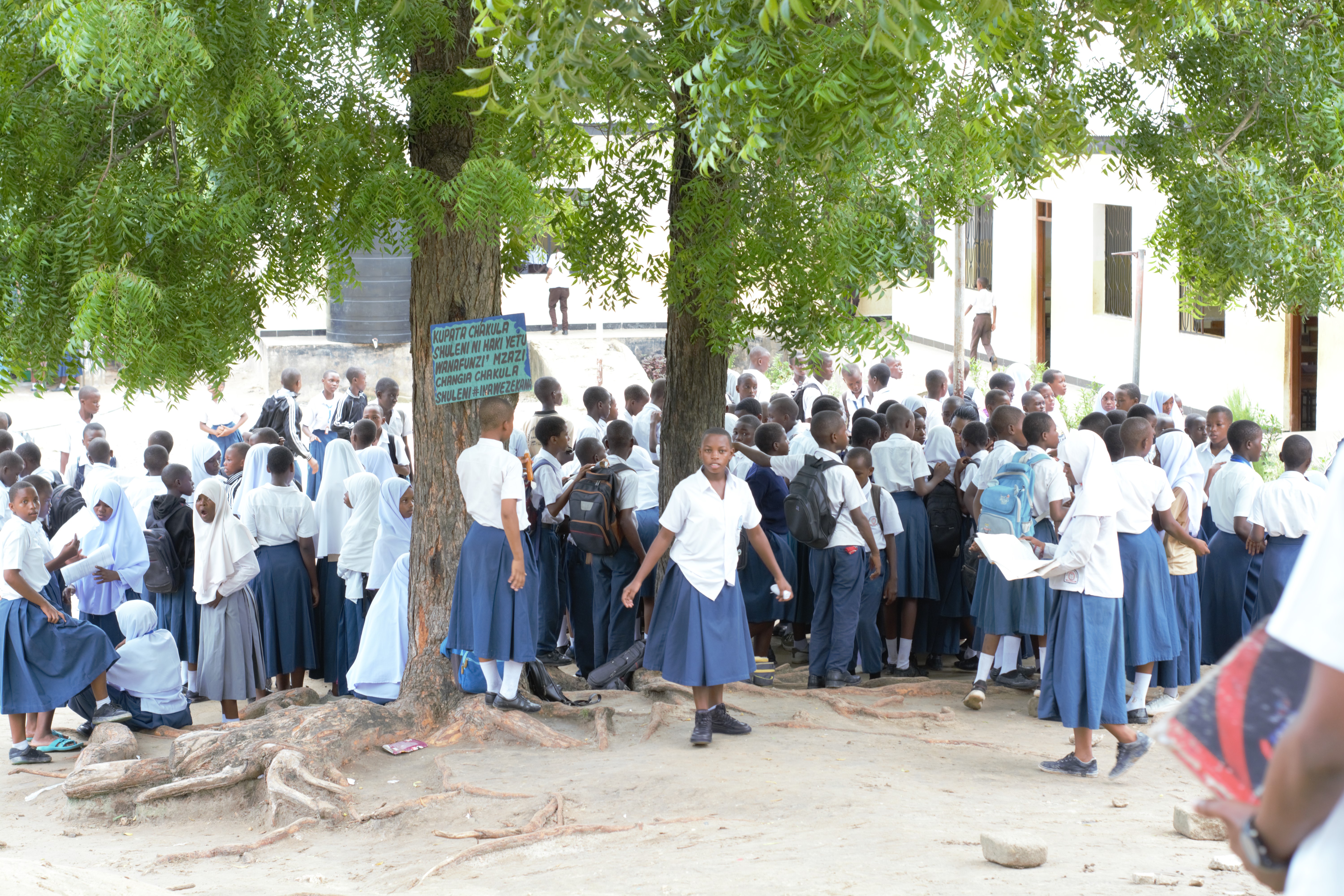
An age-appropriate coastal learning exchange designed mainly for high school students, youth groups, and school partners.
Cost and recognition
Euro 274.8/week/person. This track is basically designed for high school students and school-led youth groups.
Certificates and badges are awarded according to age, participation, achievements, teamwork, conduct, and award level. Schools and institutions receive measurable Impact Units.
Programme Overview
Exchange Programs introduce high school students and youth groups to mangrove ecosystems, coastal communities, blue economy ideas, and practical restoration through supervised, age-appropriate activities.
Purpose
To build environmental citizenship, intercultural learning, teamwork, and early sustainability leadership among young participants.
Duties
- Join guided restoration, nursery observation, awareness, clean-up, and reflection activities.
- Prepare group presentations, learning journals, posters, or school impact reports.
- Follow safety rules, teacher guidance, local protocols, and respectful conduct expectations.
Learning Objectives and Outcomes
Students learn why mangroves matter, how local communities protect coastal ecosystems, how restoration connects to climate action, and how youth can contribute responsibly.
Expected Competencies and Skills Developed
Environmental awareness, teamwork, communication, leadership, observation, creativity, cultural respect, basic research thinking, and responsible citizenship.
Research Opportunities
Age-appropriate inquiry projects may cover mangrove biodiversity, plastic waste, coastal livelihoods, school climate action, seedling growth, youth communication, or SDG awareness.
Deliverables
Group presentation, student reflection sheet, attendance record, school impact summary, certificate, badge, and institutional Impact Unit statement.
Supervisor
Mikoko Youth Exchange Coordinator, supported by field mentors, school teachers, and approved chaperones.
Linked SDGs
SDG 4 Quality Education, SDG 11 Sustainable Cities and Communities, SDG 13 Climate Action, SDG 14 Life Below Water, SDG 15 Life on Land, and SDG 17 Partnerships for the Goals.
Career Pathways
Early exposure to marine science, conservation, climate leadership, environmental education, community development, sustainable tourism, and youth advocacy.
Why Tanzania?
Tanzania gives students a living classroom where coastal ecosystems, culture, community livelihoods, and climate action can be experienced directly.
Why Seed to Carbon?
Seed-to-carbon helps young learners understand the full restoration journey in a simple, memorable way: from seed to seedling, tree, ecosystem service, and climate value.
Why Blue Economy?
Blue economy learning helps students see that oceans and coasts are connected to food, jobs, transport, culture, conservation, and future careers.
Why Community-led Restoration?
Students learn that restoration is most successful when communities lead, schools support, and visitors participate with humility and respect.
Placement Locations
- Dar es Salaam Headquarters: orientation, youth briefing, and group preparation.
- Tanga Coastal Restoration Sites: supervised field learning and restoration exposure.
- Mtwara Seed to Carbon Landscape: extended exchange learning for approved school groups.
Duration
Available for 2 weeks, 1 month, 2 months, or 3 months. High school groups usually choose shorter supervised formats, while partner schools may request longer exchange projects.
Career Development, Certificates, and Alumni Network
Students receive age-appropriate competency certificates and badges. Schools receive Impact Units, and participants may join a youth alumni network for future learning opportunities.
Supervision, Safety, Accommodation, and Daily Schedule
Safety is managed through orientation, supervised movement, age-appropriate tasks, teacher/chaperone coordination, and field briefings. A typical day includes breakfast, safety briefing, guided activity, lunch, learning session, group reflection, and evening check-in.